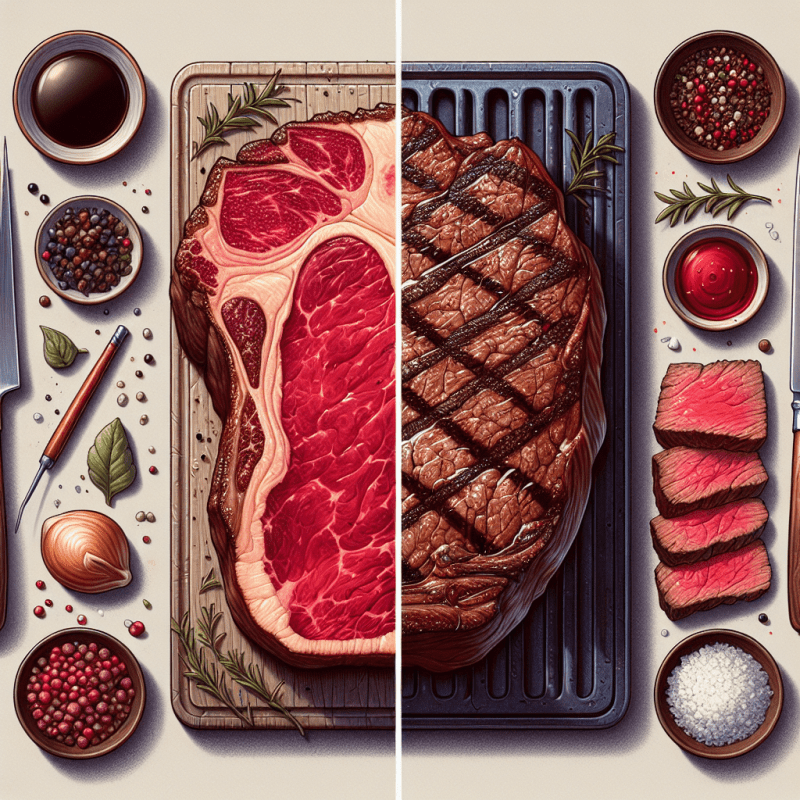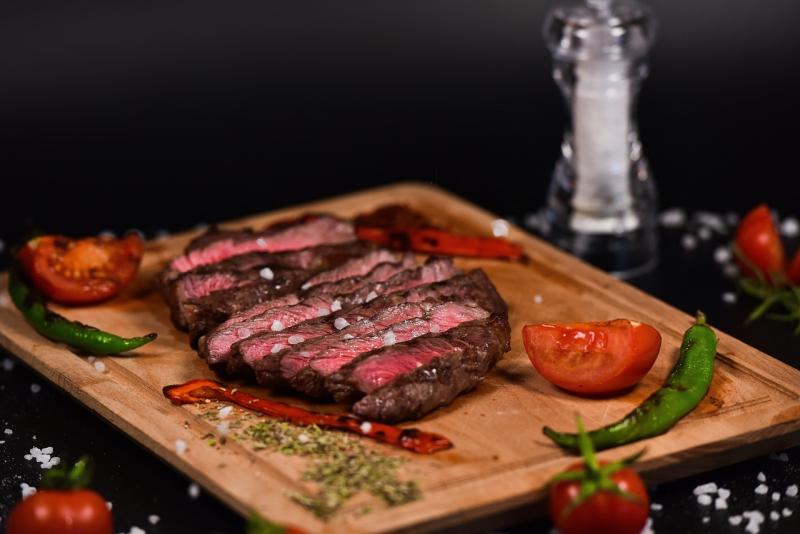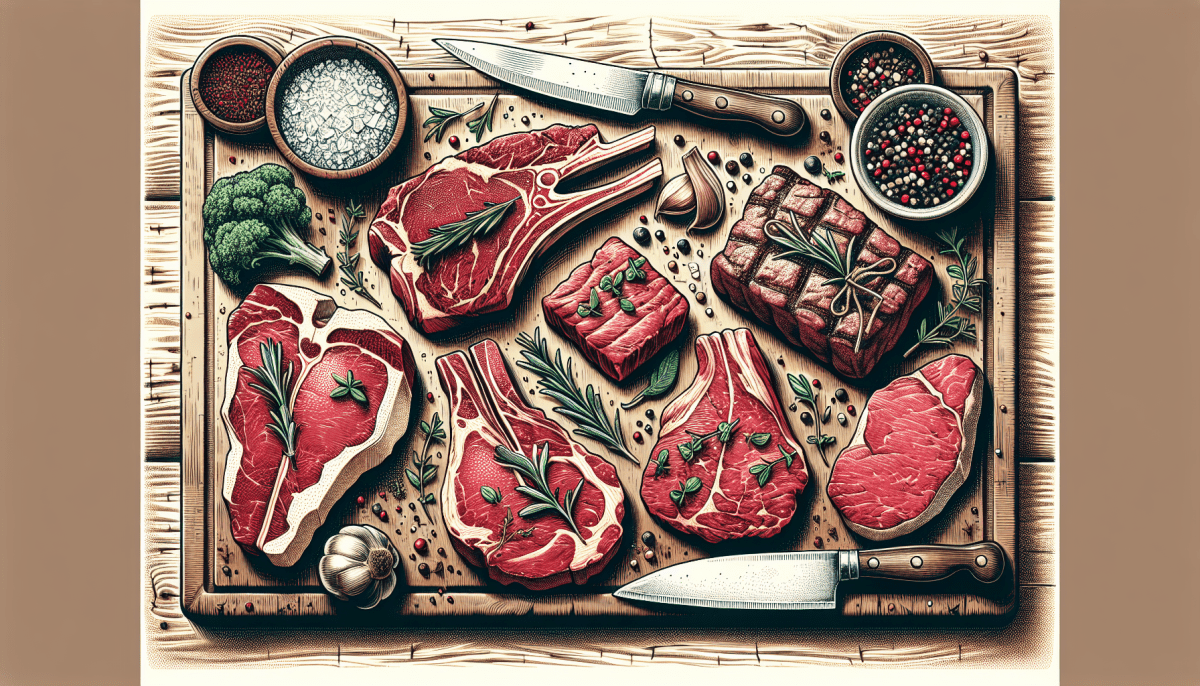
When it comes to steak, knowing your cuts can make a big difference in your meal. Here are some of the top steak cuts that are sure to satisfy your cravings, whether you're grilling at home or ordering at a restaurant.
Ribeye - If you love flavor, the ribeye is your go-to cut. It’s marbled with fat, which means it’s juicy and packed with rich taste. A perfect choice for those who enjoy a hearty, beefy experience. Throw it on the grill, and you're in for a treat!
Filet Mignon - Looking for something tender? Filet mignon is super soft and has a mild flavor. It melts in your mouth, making it a favorite for special occasions. Pair it with a nice red wine, and you’ve got a fancy dinner sorted.
New York Strip - This cut strikes a great balance between tenderness and flavor. It has a good amount of marbling, so you get a juicy bite without being as rich as ribeye. It’s a versatile option, perfect for grilling, pan-searing, or broiling.
Sirloin - Looking for steak that won’t break the bank? Sirloin is a budget-friendly option that still packs a punch in flavor. It’s leaner than some other cuts, so it’s a great choice if you want a steak that’s satisfying without the extra fat. It's super versatile and can work well in stir-fry or fajitas, too!
Understanding Tenderness and Flavor Profiles
When it comes to steak, tenderness and flavor are the name of the game. But what does that even mean? Let’s break it down. Tenderness comes from how much the muscle has been used during the animal's life. Cuts from less active parts of the cow, like the rib or tenderloin, tend to be super tender. On the flip side, cuts from muscles that get a workout, like the flank or round, can be tougher but often have a rich flavor.
Flavor profiles vary too. If you love a beefy punch, look for cuts like ribeye or T-bone. These steaks are well-marbled, which means they have fat running through them. That fat melts during cooking, giving you delicious flavor. If you prefer something leaner, sirloin is a fantastic choice. It's still flavorful but won’t have as much fat. Don't forget about seasoning—it can totally change the game when it comes to enhancing those flavors.
Cooking methods affect tenderness and flavor as well. High-heat techniques like grilling or pan-searing work wonders for tender cuts. For tougher cuts, low and slow cooking is the way to go. Think braising or slow roasting. These methods break down connective tissues and turn them into tender, juicy bites.
Every cut tells a story of its own. When you choose your steak, think about what you want in terms of texture and taste. Do you want something that melts in your mouth, or do you crave a hearty chew? Knowing the differences helps you choose the perfect cut for your next meal, whether it’s a casual family dinner or a fancy steak night.
Cooking Methods for Each Steak Cut
When diving into the world of steak, knowing the best cooking methods for each cut is key to enjoying a delicious meal. Different cuts require different techniques to bring out their best flavors and textures. Let’s break it down by some popular steak cuts.
Ribeye: This cut is rich in marbling, making it super flavorful. Grilling is a top choice, as the high heat caramelizes the fat, creating a gorgeous crust. If the weather isn’t great, you can also pan-sear it in a hot skillet. Just make sure to let it rest before slicing for the juiciest results!
Filet Mignon: Known for its tenderness, this cut is perfect for elegant dinners. A quick sear in a hot pan, followed by finishing in the oven, really highlights its melt-in-your-mouth quality. You can even wrap it in bacon for some extra flavor and crunch.
Sirloin: Sirloin is versatile and can be cooked in various ways. It’s a fantastic choice for grilling or broiling. Just remember not to overcook it, as it can toughen up. For a quick meal, slice it thin and stir-fry it with your favorite veggies.
T-bone: This steak is a mix of two cuts—strip and tenderloin—so you’ve got the best of both worlds. It’s perfect for grilling, where you can get nice char marks. Just flip it carefully to keep that T-shape intact. A meat thermometer can help you nail the perfect doneness!
Tips for Picking the Best Quality Steaks
Picking the best steaks can feel a bit overwhelming with so many options out there, but it’s all about knowing what to look for. Start by checking out the color. A bright red hue usually means freshness. Brown or dull colors can hint that the meat isn’t as fresh as it should be. Trust your eyes; they don’t lie.
Next up, marbling is key. This is the little streaks of fat running through the meat. More marbling means more flavor and juiciness, so don’t shy away from those well-marbled cuts. Let’s talk about tenderness. Cuts from the muscle groups that aren’t used much, like the tenderloin or ribeye, are great choices if you want a steak that melts in your mouth.
Don’t forget to consider the thickness. A steak that’s at least 1.5 inches thick will give you that perfectly cooked center while still keeping the exterior deliciously seared. If you’re cooking methods like grilling or broiling, thicker cuts really shine. And always ask your butcher for suggestions based on how you plan to cook it — they know their stuff!
Lastly, keep an eye out for labels. If you see "grass-fed" or "grain-finished," that tells you a bit about the cow's diet, which can affect flavor and texture. Organic options tend to be a good choice if you want something without added hormones or antibiotics. With these tips in mind, you’ll be well on your way to selecting the perfect steak every time!